Designing a nursery, or updating a child’s bedroom a few years later, is one of the more personal projects a parent takes on. Every choice feels important, from wall paint and soft textiles to the crib, dressers, and nightstands, because those are the pieces your child will sleep near and touch every day. For families in San Antonio, New Braunfels, and across Central Texas, creating a safer room starts with a plain question: what is this nursery furniture made of?
Many mass-produced furniture pieces are built with hidden chemicals, volatile organic compounds (VOCs), and synthetic adhesives that can drag down indoor air quality. The American Academy of Pediatrics and the U.S. Environmental Protection Agency both treat furnishings and building materials as real indoor air sources. For parents looking for non-toxic options, solid wood is a cleaner starting point for growing infants and toddlers because it often cuts out a lot of the extra adhesives and coatings. Handcrafted pieces also tend to last through infancy, the toddler years, and well beyond childhood.
Why Solid Hardwood Is the Safest Choice for Your Nursery
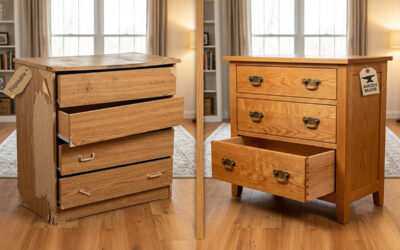
Solid hardwood furniture avoids the resin-heavy cores used in many composite materials. Built from natural timber rather than MDF or particleboard, it cuts one common source of nursery off-gassing. It also gives families better structural stability and a look that still works long after the nursery stage.
Solid wood furniture leaves out the pressed boards, synthetic resins, and toxic fillers found in many composite alternatives. That usually means fewer added off-gassing sources in a nursery, which can help indoor air quality. If a piece uses plywood backs or drawer bottoms, it is worth asking whether those parts meet CARB Phase 2 or TSCA Title VI standards instead of relying on cheap MDF or particleboard.
Organic Finishes and Low-VOC Coatings
Good woodworkers are clear about the finish schedule and the products they use, whether that is a hand-applied conversion varnish, organic oil, or low-VOC paint. The key detail is cure time: when those finishes are fully cured before delivery, they create a sealed, safer surface, hold up better to daily use, and are less likely to leave harsh chemical odors hanging around the nursery.
Uncompromised Structural Integrity
Hardwoods such as Oak, Brown Maple, Cherry, and Quarter-Sawn White Oak have the density to handle years of drawer pulls, bumps, and everyday kid wear. When cribs, dressers, and changing tables are built with mortise-and-tenon joints and dovetail drawers instead of stapled panels or weak fasteners, they are far more likely to stay stable and safe through active family use.
Essential Solid Wood Furniture Pieces for a Growing Child
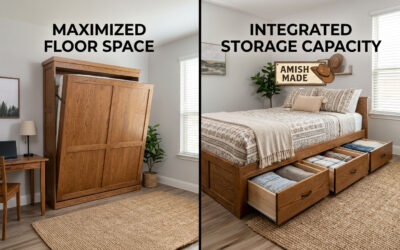
Versatile solid wood pieces let a room change with your child, from infancy to the pre-teen years, instead of locking you into a nursery-only setup. That kind of flexibility helps families avoid replacing cheap furniture every few years just because a piece has already been outgrown.
- Convertible Solid Wood Cribs: A handcrafted crib in solid Oak or Maple gives a newborn a safe sleeping space. Many designs convert into toddler beds and later full-size headboards, which is why one well-made crib can stay useful well past the nursery years and sometimes into young adulthood.
- Solid Wood Dressers and Changing Stations: A sturdy dresser with full-extension drawer slides makes everyday storage easier because you can reach the back of the drawer when it is full of clothing and nursery supplies. Add a removable changing topper, and a standard chest of drawers does double duty as a functional changing table now without giving up long-term utility later.
- Child-Safe Nightstands and Bookcases: Deep solid wood shelves handle heavy books and toys better than thinner shelving, so they are less prone to sagging or tipping under load. Smooth rounded edges, heavy-duty corner blocks, and proper anchoring add the stability you want around active toddlers.
Selecting the Best Wood Species for Central Texas Homes
Central Texas homes deal with real humidity swings, from dry winter air to humid summer months, and wood movement shows up fast when furniture is poorly made. Choosing hardwood species known for stability helps keep nursery furniture looking good and working properly for decades.
Red Oak and Quarter-Sawn White Oak
Oak earns its reputation because it is strong and resists denting, which matters in a kids’ room that will see books, toys, and years of hard use. Quarter-Sawn White Oak (QSWO) goes a step further: the way the boards are cut makes the wood more stable, so it’s less likely to warp when local Texas humidity shifts from dry spells to sticky summer air.
Brown Maple
Brown Maple has an exceptionally smooth surface texture, which is why many builders choose it for painted nursery finishes or sleek modern stains. It is also denser than soft woods like pine, so it does a better job of resisting dents when toys get dropped on it.
Cherry
Cherry starts with a warm, reddish tone and usually deepens as it gets natural light. The grain is fine, the sheen is soft rather than glossy, and that is why so many families choose it for classic nursery suites they plan to keep and pass down to future generations.
Practical Maintenance Tips for Solid Wood Nursery Furniture
Solid wood furniture is easy to maintain. Most of the time, regular dusting, a damp cloth, and mild soap are enough, so there is no need for harsh chemical cleansers.
- Dust Regularly With a Soft Microfiber Cloth: Skip aerosol dust sprays that contain silicone or synthetic fragrances. A plain microfiber cloth picks up daily dust without leaving residue or dulling the wood finish.
- Clean Spills Promptly: Wipe up spills right away with a damp cloth and a little mild soap, then dry the area thoroughly with a soft towel. Standing moisture is what tends to leave marks or swell wood over time.
- Maintain Indoor Humidity: Keep indoor relative humidity between 35% and 55% with your home HVAC system, and if you want a simple check, keep a small hygrometer in the nursery. That range helps limit the expansion and contraction solid wood goes through during Central Texas weather swings.
- Avoid Direct Proximity to Heating Vents: Place cribs and dressers away from direct heating ducts or air returns so one side is not constantly hit with hot or fast-moving air. More even temperature helps the wood stay stable.
FAQs
Why is solid wood better than MDF or particleboard for a nursery?
When a piece is made from genuine solid wood instead of engineered board, you avoid the particle resins, synthetic binding glues, and formaldehyde adhesives commonly found in MDF and particleboard. That means fewer manufactured chemicals in the core material, better indoor air quality, and usually stronger long-term durability and structural safety than engineered board options.
Do solid wood cribs off-gas VOCs?
Genuine solid wood finished with low-VOC coatings or fully cured organic finishes can keep volatile organic compounds very low once the finish has cured. That is a very different setup from much of the mass-manufactured flat-pack market, where MDF, particleboard, and fast-turn finishes are more likely to release chemical fumes into a child’s bedroom.
How do I know if a wood finish is safe for a teething baby?
Look for handcrafted furniture finished with non-toxic, post-catalyzed conversion varnishes or organic oil stains, and ask whether the piece was fully cured before it reached the nursery. A high-quality finish hardens into a protective surface that is less likely to rub off, feel tacky, or transfer residue when touched.
How does weather affect solid wood furniture?
Humidity fluctuations can make natural wood expand and contract slightly. High-grade solid wood furniture accounts for that with proper joinery, such as floating panel construction, so the timber can move naturally without cracking, loosening, or warping.
Can solid wood nursery furniture adapt as my child grows?
Yes. Convertible solid wood cribs can move from crib to toddler bed and, with the right hardware, to a full-size bed frame. Solid wood dressers and nightstands also tend to age well because classic designs and heavy-duty hardware still make sense in childhood, the teenage years, and young adulthood.
Build a Safe, Healthy Home
Nursery furniture should give your family peace of mind, cleaner indoor air, and structural safety you do not have to second-guess. Mass-produced composite pieces can cost less upfront, but they usually cannot match the beauty, durability, and long lifespan of genuine American hardwood.
At Amish Oak, we offer custom solid wood children’s furniture handcrafted by master American artisans. Every crib, dresser, and bed frame is built from authentic hardwoods like Oak, Maple, and Cherry, then finished with non-toxic coatings chosen to protect your home environment and hold up to daily family use.
Visit our San Antonio showroom, or our New Braunfels showroom, to see our full collection of customizable nursery and children’s furniture in person. Our team can help you compare solid wood pieces, finish options, room sizing, and the safety details parents usually ask about, so you can build a nursery or kids’ room that works for your growing family.