Winter furniture care in Texas looks different from that in colder parts of the country. Most homeowners are not dealing with months of snow, but Texas winters can still bring dry indoor air, intense sunlight, sudden cold snaps, and rapid temperature shifts.
Those conditions can affect both solid wood furniture inside your home and outdoor furniture on your porch or patio. With a few simple steps, you can help prevent cracking, fading, loose hardware, mildew, and unnecessary wear.
Use this checklist to protect your solid wood and poly outdoor furniture through the colder season.
Winter Furniture Care in Texas: What Homeowners Should Know

Winter furniture care in Texas is less about snow and more about managing sudden changes. Dry indoor air, strong sunlight, and quick temperature swings can all affect solid wood furniture. Wood naturally expands and contracts as humidity changes, which can lead to small gaps, dryness, or cracking if furniture is not properly cared for during the winter months.
Outdoor furniture also benefits from seasonal attention. Poly furniture can handle Texas weather well, but cleaning it, tightening hardware, and storing cushions indoors can help keep it looking better for spring. A few simple steps now can protect your furniture and help it last for years.
The Indoor Checklist: Protecting Your Solid Wood

The biggest threat to your solid wood furniture during winter is the drastic change in indoor humidity. As we close up our homes and turn on the heat, the air inside becomes significantly drier. Solid wood is a natural material that breathes, and dry air can cause it to lose moisture, leading to potential issues such as shrinkage, gaps, or even cracking.
1. Stabilize the Humidity
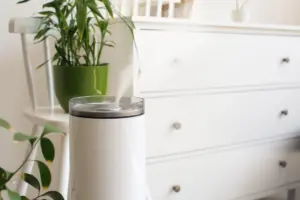
This is the single most important step. Aim to maintain an indoor humidity level between 40% and 50%. A simple digital hygrometer can help you monitor this. Using a humidifier in the main living areas or near particularly valuable pieces can prevent the wood from drying out too quickly, preserving the integrity of the joints and the finish.
2. Mind the Heat Vents
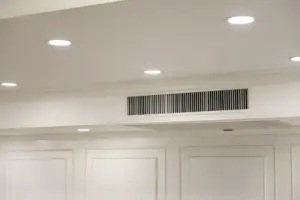
Take a moment to assess your furniture placement. Is your solid oak dining table sitting directly over a floor vent? Is your cherry wood sideboard pushed up against a wall radiator? Direct, concentrated heat can cause localized drying and damage. If possible, rearrange furniture to be at least a foot or two away from direct heat sources.
3. Perform a Seasonal Cleaning and Polish
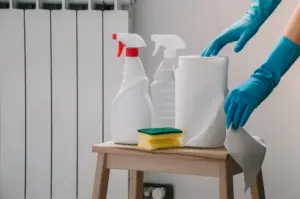
Winter is the perfect time for a more thorough cleaning. Dust all surfaces with a soft, lint-free cloth. For a deeper clean, use a lightly damp cloth, followed immediately by a dry one. Afterwards, apply a high-quality furniture polish. Avoid aerosol sprays containing silicone, which can build up over time. A quality paste wax or cream polish will nourish the wood and protect the finish from the dry winter air.
4. Check for Sun Exposure

Don’t underestimate the sun. The sun sits lower in the sky during these months, meaning new and different sunbeams may be streaming through your windows. A piece of furniture that was safe in the summer might now be in the path of direct afternoon sunlight, which can fade the finish over time. Be mindful of this and consider rotating pieces or partially closing blinds during peak sun hours.
The Outdoor Checklist: Prepping Your Porch and Patio

Outdoor furniture, like poly lumber pieces, is built to withstand. However, a little seasonal maintenance keeps it looking its best come springtime and extends its life.
1. The Deep Clean.
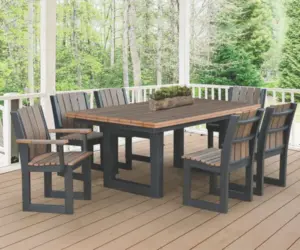
Before you cover or store anything, give it a thorough cleaning. A simple solution of mild dish soap and water is usually all that’s needed to remove the summer’s accumulation of dust, pollen, and sunscreen residue. A soft-bristle brush can help with textured surfaces. Rinse thoroughly and allow the furniture to dry completely.
2. Check and Tighten Hardware.
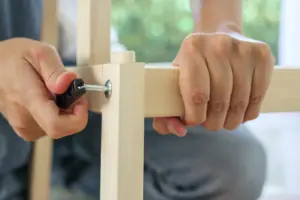
Temperature fluctuations can cause hardware to expand and contract slightly. Take a few minutes to check all the stainless steel bolts and screws on your outdoor furniture, tightening any that have become loose.
3. Cover or Store.
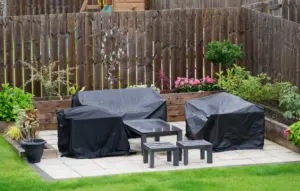
While poly furniture is incredibly durable and can be left out, covering it during the winter protects it from falling leaves, bird droppings, and general grime. This makes your spring cleanup significantly easier. If you have the space in a garage or shed, storing it is an even better option.
4. Bring Cushions Indoors.

This is non-negotiable. Even weather-resistant cushions should be cleaned and stored indoors for the winter. Storing them in a dry, sealed container will protect them from moisture, which can lead to mildew, and prevent pests from making a home inside them.
FAQs

Why is humidity so important for solid wood furniture?
Solid wood naturally expands in high humidity and contracts in low humidity. Central heating creates a very dry indoor environment. If the wood loses moisture too quickly, the stress can cause joints to separate or, in extreme cases, the wood itself to crack. Maintaining consistent humidity minimizes this stress.
What kind of furniture polish should I use?
Look for a high-quality cream or paste polish that is specifically designed for wood furniture. These products contain oils that nourish the wood. It is best to avoid common aerosol sprays that contain silicone, as they can create a cloudy buildup on the finish that is difficult to remove.
Can my poly furniture really be left outside all winter?
Yes, high-density polyethylene (HDPE) lumber, or poly furniture, is designed to be extremely durable and weather-resistant. It will not rot, crack, or splinter. However, covering it will keep it much cleaner and ready for immediate use when the first warm spring day arrives.
How often should I apply furniture polish or conditioner during winter?
For indoor furniture, condition every 4-6 weeks during the winter heating season when humidity is low. This is more frequent than summer needs but appropriate for dry winter conditions. Use thin, even applications that soak into wood rather than heavy coats that just sit on the surface. If furniture looks dry or feels rough, that’s a sign it needs conditioning.
Will my wood furniture crack if I don’t winterize it properly?
Possibly, particularly if indoor humidity drops very low during extended heating periods. Severe dryness causes wood to contract and can create stress cracks, checking, or joint failures. However, one dry winter won’t instantly destroy quality furniture. Damage accumulates over years of poor environmental conditions. Proper care prevents gradual deterioration that shortens furniture’s life.
Should I bring all my outdoor furniture inside during winter?
Not necessarily. Texas winters are mild enough that quality outdoor furniture designed for exterior use can remain outside with appropriate covers or positioning. However, truly valuable handcrafted pieces benefit from indoor storage during the coldest months if space allows. Weigh the effort of moving and storing against the value and irreplaceability of specific pieces.
What’s the ideal indoor temperature for protecting wood furniture?
Stable temperature matters more than specific degrees. Maintaining 65-75 degrees consistently is fine. The problem isn’t moderate warmth, it’s dramatic swings. If you heat to 72 during the day, don’t drop to 55 at night. The expansion and contraction from temperature cycling stress wood and joints. Aim for consistency within a reasonable, comfortable range.
Protecting Your Investment Through the Colder Season

Texas winters may be milder than in northern states, but dry indoor air, temperature swings, strong sunlight, and sudden freezes can still affect your furniture. A little seasonal care helps protect solid wood pieces from drying out and keeps outdoor poly furniture ready for spring.
Contact us today if you have questions about caring for your solid wood or outdoor furniture. We can help you choose pieces built for long-term use and show you how to care for them properly.