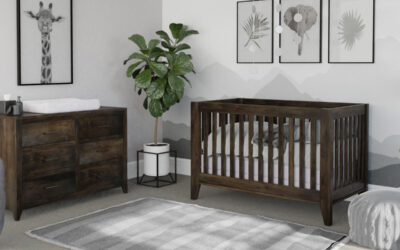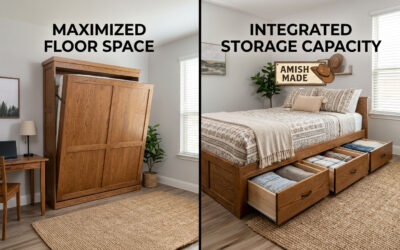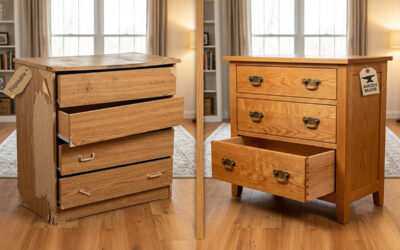
Amish furniture styles range from simple, functional Mission and Shaker designs to the more decorative curves of Queen Anne furniture. Each style reflects a different approach to craftsmanship, detail, and appearance, making it easier to find furniture that fits your home and personal taste.
Origins of Popular Amish Furniture Styles
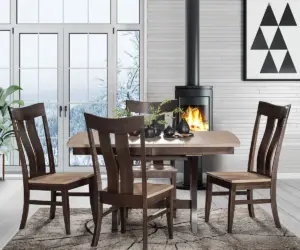
Development of Amish furniture began in the 18th century with the Jonestown School, known for painted chests decorated with flowers, which became the Shaker Style. Another important school, the Soap Hollow School, favored brightly painted furniture in red, gold, or black in the 19th century, which became the Queen Anne Style. Henry Lapp is credited with creating the third, Mission Style, in the 1920s. There are also several combinations and offshoots of these main styles.
All authentic Amish furniture is made to high standards with hand-sawn wood and matched wood grains for beauty. Each piece is unique and can be made of different hardwoods to order. These craftsmen never use nails but instead employ glue and hand-made joints for durability. Finally, the furniture is finished by hand, with sanding and paint or varnish for longevity. Materials and techniques used by the Amish have been classified as green technology.
1. Mission Style
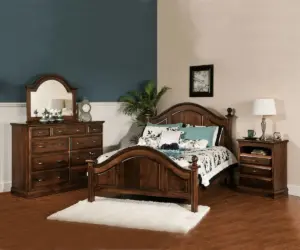
The Mission (Arts and Crafts) Style was a design movement that rejected the mass-production styles of the early 20th century. Designers sought functional, real wood with Southwestern-style elements. Characteristics include undecorated, clean lines, metal drawer pulls, and the trademark slats. Much of this style uses oak varieties with stain finishes and visible, angular carpentry.
2. Shaker Style
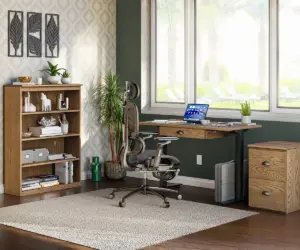
The Shakers were a late-18th-century group whose practices were similar to those of the Amish. Their furniture rejects ornamentation as a mark of pride and embraces simplicity. Minimalist design and straight lines characterize this look. Early Shaker furniture could be painted in primary colors, but later designs are mainly stained for a stark, simple beauty. There are sometimes slightly scrolled elements.
3. Queen Anne Style
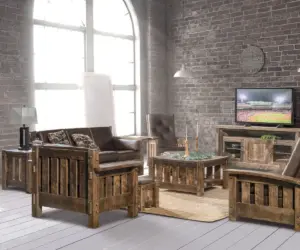
The most distinctive elements of the Queen Anne Style are the curved or cabriole legs and scrolled posts. These give the furniture a sense of elegance and ornateness. Lines of furniture are still clean, but some angled or simple embellishments can occur.
4. Other Derivative Styles
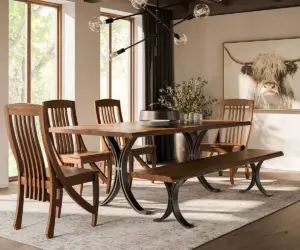
Several legitimate derivative styles can blend the three main styles. Rustic or Beachfront Styles use paints of varied colors and weathering; Cottage/Country elements may be combined with Shaker or Mission Styles; and the Quaker Style typically adds turned elements with clean lines. Most traditional Amish craftsmen tend to specialize in one or two styles.
Choosing Between Amish Furniture Styles
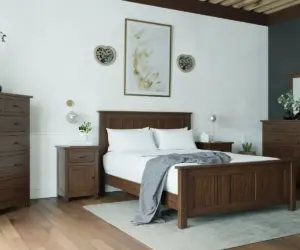
Understanding the differences between Amish furniture styles can help you choose furniture that fits your home and personal taste. If you choose Amish Oak in Texas, you can be sure that your new furniture piece was made by craftsmen who use hardwoods, hand sawing techniques, glued joins, and hand-matched wood grains. Most authentic Amish makers specialize in Mission, Shaker, or Queen Anne styles, and our stores work with a variety of builders to suit any preference. We can coordinate with them to create a piece of furniture that enhances your home in the Amish style you choose.
Looking for the perfect Amish oak furniture, including a table and chairs, to stylishly furnish your home? Visit Amish Oak in Texas at either of our New Braunfels or San Antonio furniture showrooms to view a wide selection of fine Amish furniture, or contact us today for more information about which style you should choose.