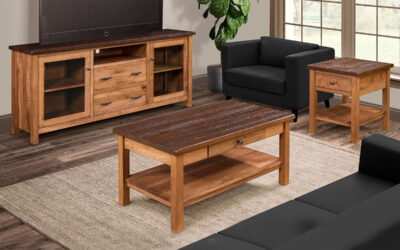
Good furniture has to do two jobs at once: match your style and fit the exact footprint of your floor plan. That second part is where many big-box pieces fall short. Their fixed, mass-produced dimensions can leave odd gaps in a living room, crowd a tight dining area, or waste storage potential, and even a difference of a few inches can throw off the whole layout.
If you’re wondering whether handcrafted wood furniture gives you a more flexible option, the short answer is yes. Amish woodworkers are not running fast assembly lines. Each piece is usually built to order, which gives buyers more control over width, height, length, and functional details like shelf spacing, drawer layout, or seating capacity.
Knowing how dimension customization works helps you make smarter decisions when you’re designing pieces for your home, especially when you need to balance fit, function, and appearance.
Why Standard Dimensions Do Not Always Work
Modern floor plans rarely match standard showroom sizes. An open-concept Texas living room might need a longer media console to anchor a tall wall, while a cozy historic dining room may need a narrower table so people can move around it comfortably without losing walkway clearance.
When you’re limited to pre-fabricated, standardized sizes, the compromises usually look like this:
- A dining table that fits on paper but extends too close to a doorway or wall once it’s fully expanded.
- A bookcase or display cabinet that stops short of a ceiling alcove and leaves a strip of empty, unusable space above it.
- A bed frame that blocks a floor vent, covers an electrical outlet, or makes the neighboring closet door harder to open.
- A desk with the wrong height or depth, which seems minor at first and then turns into real ergonomic discomfort during long work hours.
Custom dimensions solve those layout headaches by working with the room’s quirks instead of forcing the room to work around the furniture. A narrow wall, deep alcove, or awkward vent placement becomes part of the plan rather than a constant annoyance.
How Dimension Customization Works
That is one reason custom sizing is possible. Instead of stocking fixed sizes in overseas warehouses, authentic Amish workshops typically build each order one at a time from raw, high-grade American hardwoods such as oak, maple, cherry, or walnut. Because craftsmen cut, join, and finish the wood for each order by hand, changing the numbers on a piece usually fits naturally into the build process.
Standard Ordering Process
- Choose a Base Design
- Set the Dimensions
- Pick the Hardwood and Finish
- Handcraft the Piece
Changing dimensions is not just a matter of stretching a drawing. The woodworker has to adjust the structural framing, shift joint placement, and rebalance the proportions so the piece still looks right and stays solid over time.
Modifying Length, Width, and Height
Most custom dimension requests come down to changing the overall proportions so the piece fits the room’s boundaries more closely.
- Dining Tables: You can request custom lengths and widths to seat a specific number of chairs without overcrowding the room. You can also set the leaf insert dimensions, which matters if you want a table that works for everyday meals but expands only as far as your dining space can handle during holiday gatherings.
- Storage Cabinets and Dressers: Overall height, width, and depth can usually be adjusted up or down. If you have deep alcoves, adding cabinet depth can create a noticeable amount of extra interior storage while keeping the piece tucked into the same recess instead of pushing farther into the room.
- Desks and Workstations: Desk height and overall surface area can be built around the way you actually work, whether that means a lower writing desk for comfort or a wider top for a dual- or triple-monitor setup. For example, some buyers ask for extra depth so 27-inch screens, speakers, and a docking station fit without the desk feeling cramped.
Adjusting Internal Dimensions and Storage Components
Custom sizing is not only about the outside dimensions. The internal storage can be reworked too, so the piece matches your daily routine, whether you need space for file folders, chargers, folded quilts, or oversized serving pieces.
Drawer and Shelf Customization
Most standard storage pieces come with fixed drawer depths and shelf spacing, which often means wasted space or awkward stacking. A custom build lets you change the parts that matter most:
- Drawer Heights: You can ask for deeper bottom drawers on a bedroom dresser for bulky winter linens, extra blankets, or sweatshirts, and keep the top drawers shallow for small personal items that are easier to lose in a deep drawer.
- Shelf Spacing: Set the vertical spacing inside hutch tops, bookcases, or entertainment centers around what you own, such as specific media equipment, tall serving platters, or collectible items that will not sit well on standard shelf intervals.
- Door Clearances: Cabinet door widths and opening directions can be changed so the doors clear adjoining walls or other furniture instead of bumping into them every time you open the piece.
Structural Considerations When Sizing Solid Wood
Amish woodworkers can build to exact measurements, but solid wood does not behave like engineered particle board. Before they approve an unusual size, craftsmen look at joinery, load, span, and wood movement so the finished piece stays sturdy and usable for generations.
Weight and Spanning Support
When you extend the length of a dining table, desk, or long bench seat, solid hardwood gets heavier and the span has more room to sag. That is why master woodworkers may suggest center support legs, thicker aprons, or reinforced trestles, especially on longer pieces that will see daily use over time.
Natural Wood Movement
Solid hardwoods expand and contract across the grain as indoor humidity rises and falls. Woodworkers plan for that movement when sizing solid wood tops, drawer boxes, and raised panel doors; if they do not, drawers can bind and panels can split. That technical know-how is what makes exact measurements work in every season, not just on delivery day.
Measuring Your Space Correctly Before Requesting Quotes
Good preliminary measurements make a custom order go much more smoothly. Before you finalize your design specifications, take these measurement steps first:
- Map Floor Clearances: Measure the main floor area and, if it helps, mark the furniture footprint with painter’s tape. Leave at least 30 to 36 inches of open walking space around high-traffic areas like dining chairs or bed frames so the room still works once the piece is in place.
- Check Vertical Obstacles: Note baseboard trims, window sills, light switch plates, wall outlets, and hanging light fixtures before setting a maximum height. This matters most with hutches, headboards, and tall case pieces, where wall space can look open until those details start stealing inches.
- Verify Entry Pathways: Measure every part of the delivery route, including door frames, stairwells, and hallway corners leading into the destination room. A custom piece can fit the room perfectly and still be a problem if it cannot make a tight turn or clear a narrow opening on the way in.
Complete Your Custom Design with Preferred Hardwoods and Stains
Exact dimensions are the starting point of tailored furniture, but the piece does not fully come together until you choose the solid wood species and the hand-rubbed finish. Size determines fit; the wood and finish shape the final look in the room.
Amish artisans often build these pieces from solid domestic hardwoods, including:
- Brown Maple: Brown Maple has a fine, even grain that takes dark stains well and is a strong choice when you want a smooth painted finish without a busy grain pattern showing through.
- Red Oak: Red Oak has the traditional, defined grain many people expect in classic American furniture, and it holds up well on hard-working surfaces that need real surface durability.
- Quarter-Sawn White Oak: Quarter-Sawn White Oak is known for its ray-fleck graining and added structural stability, which is why it is often chosen for pieces where both character and long-term strength matter.
- Cherry: Warm, refined wood grain with rich tones that naturally deepen over time.
When you combine exact size changes with your choice of wood species and stain, you get a piece built for your room, not a standard showroom footprint. That matters in real homes, where even a 2-inch change in width or depth can improve traffic flow, storage, or chair clearance and make the furniture feel truly your own.
FAQs
Does altering dimensions significantly increase the price of Amish furniture?
Dimensional changes usually come with a modest custom design fee to cover updated shop drawings, structural adjustments, and any extra raw material. Since each piece is already built to order instead of pulled from pre-built inventory, custom sizing is often more cost-effective than commissioning commercial custom furniture from scratch, though the final price still depends on the design, wood species, and how far the measurements move from the standard size.
How much extra build time does custom dimensioning add?
Custom sizing usually adds little, if any, extra time to a standard Amish production schedule. Most handcrafted orders still fall in the 8 to 16 week range, depending on the shop’s current workload, the season, and whether the changes are straightforward, such as a few inches in width or height, or more structural.
Can I request matching custom dimensions for an entire room set?
Yes. Woodworkers can carry scaled custom dimensions across an entire bedroom, dining room, or home office suite so the pieces keep the same style lines, stain color, and hardware choices. That is especially helpful when you are fitting a full room around one floor plan instead of mixing standard sizes that were never designed to work together.
Can Amish woodworkers adjust leg room or apron height on tables?
Yes. Legroom height can usually be adjusted by raising or lowering the table apron, which helps when you need space for high-arm dining chairs, wheelchair access, or taller family members. In practice, even a small change in apron height can make the table noticeably more comfortable without changing the overall look of the design.
What is the best way to request a custom dimension quote?
The simplest way to start is to pick an existing design as your base, write down your target height, width, and depth changes, and send those measurements to an authorized dealer. A clear spec sheet, even something as basic as “72 inches long instead of 66” or “3 inches shallower to clear a walkway,” gives the craftsmen enough detail to prepare a quote and review whether the piece will still work structurally as planned.
Tailoring Timeless Quality to Your Unique Home
Your home deserves furniture that fits the room you actually live in, with exact measurements instead of close-enough compromises. When you customize the length, width, height, and interior layout of handcrafted solid wood pieces, you can solve real floor-plan problems, like tight walkways, wasted corners, or drawers that open into traffic paths, while still investing in heirloom-quality furniture built to last for generations.
If you’re ready to design solid wood furniture around your exact floor plan, the team at Amish Oak in Texas can help you turn room measurements into a workable build plan. Visit our showrooms, or contact us online to submit your dimensions, discuss wood and stain options, and receive a detailed custom quote.