Amish furniture is widely recognized for its exceptional quality and masterful craftsmanship. Created by skilled artisans using traditional woodworking techniques, each piece reflects a dedication to detail and durability that sets it apart from mass-produced alternatives. This handcrafted furniture often features solid hardwoods, meticulous joinery, and finishes that enhance both beauty and longevity.
The cost of Amish furniture typically exceeds that of mainstream options. You might wonder, is Amish furniture worth it? The answer lies in its combination of robust materials, timeless design, and the promise of lasting value. Unlike cheaper furniture made from particleboard or laminate, Amish pieces are built to endure decades—and even generations—making them a smart investment for anyone seeking quality over quantity.
Below, we’ll dive into the factors behind the price tag of Amish furniture:
- The premium materials used
- Customization choices available to you
- Ethical manufacturing practices supporting fair labor and sustainability
Materials Used in Amish Furniture
Amish craftsmen are known for their exceptional woodworking skills and commitment to using high-quality materials. When it comes to furniture making, they primarily rely on premium hardwoods that are sourced locally and known for their strength, durability, and natural beauty.
Commonly Used Hardwoods
Here are some of the hardwoods commonly used by Amish craftsmen:
- Oak: Oak is a popular choice for furniture due to its strength and versatility. It has a distinctive grain pattern and is available in different varieties such as red oak and white oak.
- Cherry: Cherry wood is prized for its rich color and smooth texture. It darkens over time, giving the furniture a beautiful patina. Cherry is often used for heirloom pieces that are meant to be passed down through generations.
- Maple: Maple is known for its durability and resistance to wear. It has a light color with subtle grain patterns, making it an excellent choice for modern and contemporary designs.
- Walnut: Walnut wood is highly sought after for its deep brown color and unique grain patterns. It adds a touch of elegance to any piece of furniture and is often used in high-end custom designs.
The Advantages of Solid Wood
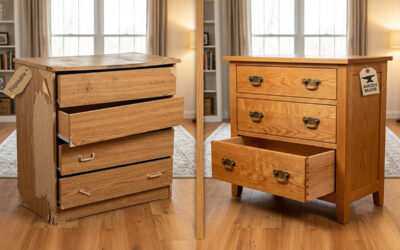
One of the key reasons why Amish furniture stands out from mainstream furniture is the use of solid wood instead of particleboard or laminate. While particleboard and laminate may be more affordable options, they come with several drawbacks:
- Durability: Solid wood furniture is built to last. It can withstand years of use without showing signs of wear or damage. On the other hand, particleboard can easily chip or warp over time, especially when exposed to moisture.
- Natural Beauty: Each piece of solid wood has its own unique characteristics, such as grain patterns and knots. This natural beauty cannot be replicated with synthetic materials like laminate.
- Repairability: In case of any scratches or dents, solid wood can be refinished or repaired easily. This means that your furniture can look as good as new even after years of use.
Typical Price Ranges for Different Types of Amish Furniture
When considering the cost of Amish furniture, understanding the price range for dining room Amish furniture, bedroom Amish furniture, and living room Amish furniture helps set realistic expectations.
Dining Room Furniture
- Dining Tables: typically range from $1,000 to $10,000. Larger sizes, premium woods like walnut, and intricate designs push prices higher.
- Dining Chairs: fall between $300 and $1,300 per chair, depending on wood choice and upholstery.
Bedroom Furniture
- Bed Frames: vary widely from $600 up to $15,000, influenced by design complexity and wood species.
- Dressers and Nightstands: usually cost between $600 and $5,000, reflecting the size and detail.
Living Room Furniture
- Sofas: are priced around $3,000 to $6,000.
- Coffee Tables: typically range from $600 to $4,000.
Factors Influencing Pricing in Amish Furniture
Several factors influencing pricing in Amish furniture contribute to the final cost you see.
- Size: Larger pieces like dining tables or bed frames require more materials and labor, naturally increasing the price.
- Wood Type: Premium hardwoods such as walnut or cherry are more expensive than oak or maple due to rarity and finish quality.
- Complexity of Design: Intricate carvings, detailed joinery like dovetail or mortise-and-tenon joints, and unique shapes demand more craftsmanship, raising costs.
- Customization Options: Selecting specific wood species, finishes, upholstery fabrics, hardware styles, or size adjustments adds to the price but creates a one-of-a-kind piece tailored to your preferences.
Mass-produced items often use cheaper materials like particleboard and rely on automated assembly lines, reducing labor costs but sacrificing durability and uniqueness. Amish craftsmanship involves intensive handwork that justifies a higher upfront investment for long-lasting value.
Customization Options and Their Impact on Cost in Amish Furniture
Customization options for Amish furniture allow you to tailor each piece to your specific tastes and needs, making your investment truly one-of-a-kind. These options typically include:
- Wood species selection: Choose from premium hardwoods like oak, cherry, maple, or walnut. Each wood type has distinct grain patterns and colors that influence the final aesthetic and price.
- Finishes: Hand-rubbed oils and natural stains enhance the wood’s beauty while protecting it. These finishes require skilled labor, which adds to the cost.
- Upholstery choices: For seating or sofas, selecting different fabrics, leathers, or cushioning styles affects the comfort level and price.
- Hardware style: Drawer pulls, knobs, and hinges come in various metals and designs. Customized hardware complements the overall look but can increase expenses.
- Size adjustments: Altering dimensions to fit your space perfectly involves extra craftsmanship time and materials.
Each customization layer adds uniqueness but also raises production costs due to increased labor and premium materials. This attention to detail ensures your piece matches your vision without compromising quality.
A Long-Term Investment with Less Maintenance Effort Required in Amish Furniture
Amish furniture stands out for its exceptional durability. The combination of premium hardwoods like oak, cherry, maple, and walnut with traditional joinery techniques such as dovetail joints and mortise-and-tenon connections creates pieces built to last.
Unlike mass-produced furniture that often relies on nails or staples, these handcrafted methods ensure structural integrity that can withstand decades of use.
Key points about the durability of Amish furniture:
- Solid wood construction resists warping and cracking better than particleboard or laminate.
- Hand-finished surfaces with natural oils protect the wood while enhancing its beauty.
- Many Amish pieces become family heirlooms, passed down through generations without losing their strength or charm.
- The craftsmanship reduces the need for frequent repairs or replacements, saving maintenance time and costs over the years.
Care and Maintenance Tips to Preserve the Value of Your Investment
Proper care and maintenance are essential to preserve the beauty and longevity of your investment in Amish furniture. Here are some key tips to help you maintain the value of your pieces:
- Regular Dusting: Dust your Amish furniture regularly with a soft, dry cloth to prevent dirt and debris from accumulating on the surface.
- Use Hand-Rubbed Oils or Polishes: Follow the recommendations of craftsmen for specific oils or polishes that can help nourish the wood and maintain its luster over time.
- Avoid Extreme Conditions: Keep your Amish furniture away from direct sunlight or sources of heat to prevent fading or warping. Maintain a consistent humidity level in the room to avoid drying out or swelling of the wood.
The Enduring Value Beyond the Initial Price Tag
If you appreciate timeless design, superior craftsmanship, and ethical manufacturing values, this category is for you. Each piece is made with care and attention to detail, ensuring that it will last for years to come.
While these products may be more expensive upfront compared to mainstream options, they offer unmatched long-term benefits. Investing in something special like this will bring you joy and satisfaction for generations.
Frequently Asked Questions Amish Furniture Costs
What makes Amish furniture worth the investment despite its higher initial cost?
Amish furniture is worth the investment due to its exceptional craftsmanship, use of premium hardwoods like oak, cherry, maple, and walnut, durability, and timeless design. Unlike mass-produced alternatives, these handcrafted pieces offer long-term value and often become heirlooms passed down through generations.
What types of materials are commonly used in Amish furniture?
Amish craftsmen typically use premium hardwoods such as oak, cherry, maple, and walnut. These solid woods provide increased durability and natural beauty compared to particleboard or laminate materials found in mainstream furniture.
How much does Amish furniture typically cost for different types of pieces?
Typical price ranges for Amish furniture vary by category: dining tables range from $1,000 to $10,000; chairs between $300 and $1,300; bed frames from $600 up to $15,000; and dressers, nightstands, sofas, and coffee tables have varying prices within similar ranges depending on size and customization.
What factors influence the pricing of Amish furniture?
Pricing is influenced by several factors including the size of the piece, type of wood used, complexity of the design, and available customization options. Compared to mass-produced furniture, Amish pieces may have higher upfront costs but offer superior quality and longevity.
How do customization options impact the cost of Amish furniture?
Customization options such as selecting specific wood species, finishes like hand-rubbed oils, upholstery choices, hardware styles, and size adjustments enhance uniqueness but can increase the overall cost. These personalized features allow customers to tailor pieces to their preferences while investing in quality craftsmanship.
What care and maintenance practices help preserve the value of Amish furniture?
To maintain the integrity of Amish furniture’s wood finish and extend its lifespan, regular dusting is recommended along with using hand-rubbed oils or polishes endorsed by craftsmen. It’s also important to avoid exposing pieces to extreme humidity or direct sunlight, which can damage wood surfaces over time.