Stain removal steps for hardwood furniture start with one simple rule: act quickly. Whether the spill is water, coffee, wine, soda, or alcohol, the first few minutes can make the difference between an easy cleanup and a lasting mark. Hardwood surfaces are built to be used and enjoyed. Family dinners, holiday gatherings, and everyday routines all bring the risk of a drink tipping over. The difference between a quick cleanup and a permanent stain often comes down to what you do in the first few minutes.
Most modern hardwood furniture has a durable protective finish. That finish gives you some time to react, but it’s not invincible. Understanding how to respond to different spills helps you protect both the wood and the finish.
The steps below apply to hardwood tables, desks, and floors. When in doubt, err on the side of gentle methods and call a professional if the piece is valuable or heirloom quality.
Immediate Stain Removal Steps for Any Spill
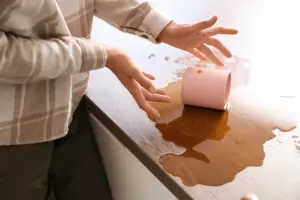
Regardless of what was spilled, start with these basics.
Act quickly
The longer the liquid sits, the more likely it is to seep past the finish into the wood fibers.
Blot, do not rub
Use a soft, absorbent cloth or paper towel to blot the spill. Rubbing can push liquid deeper or scratch the finish.
Work from the outside in
Blot around the edges of the spill and move toward the center. This helps prevent the spill from spreading.
Use a slightly damp cloth if needed
Once most of the liquid has been absorbed, you can use a lightly dampened cloth to remove any sticky residue. Follow with a dry cloth to remove moisture.
Avoid harsh chemicals
Household cleaners, bleach, and ammonia can damage hardwood finishes. Stick to mild solutions unless a professional advises otherwise.
Once the immediate spill is under control, you can address specific types of stains.
Water Rings and White Spots
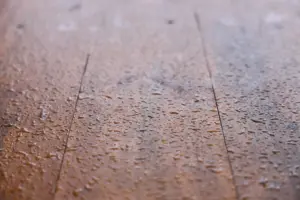
Cold drinks and hot mugs often leave white, cloudy rings rather than dark stains. These usually mean moisture is trapped in the finish, not the wood itself.
What to do:
- Wipe the area dry and let it sit for several hours to see if the mark fades on its own.
- If the ring remains, place a clean cotton cloth (like a T-shirt or pillowcase) over the spot.
- With the iron set to low and no steam, gently move it over the cloth for a few seconds at a time.
- Check the spot frequently. The gentle warmth can help release moisture from the finish.
If you’re working with a high-value item or a custom-finished top, contact the maker or a refinishing professional before using heat. Different finishes react differently, and you do not want to risk gloss changes or damage.
Red Wine, Juice, and Dark-Colored Drinks

Red wine and fruit juices can leave visible stains if they penetrate the finish.
Emergency steps:
- Blot immediately with a clean, dry cloth.
- Dampen a cloth with a small amount of mild dish soap mixed in warm water. Wring it out well so it’s barely damp.
- Gently wipe the surface to lift the remaining color, then dry thoroughly.
If the color appears to be inside the wood rather than on the surface, that usually indicates the finish was compromised before the spill. At that point, professional refinishing may be the only way to fully remove the stain.
Coffee, Tea, And Hot Cocoa

These drinks carry tannins that can discolor finishes and wood, especially on lighter pieces.
What to do:
- Blot away as much liquid as possible, paying attention to seams and edges.
- Use a slightly damp cloth with mild dish soap to clean the area.
- Rinse the cloth in clean water, wring it out well, then wipe it again to remove any soap residue.
- Dry immediately with a soft towel.
If you notice a dull patch or color change after drying, the spill may have affected the finish. A furniture care product recommended by the manufacturer or a professional touch-up may restore the sheen.
Soda, Sugary Drinks, And Sticky Residue
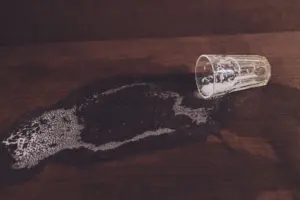
Soda and sweet drinks may not stain as quickly as wine, but the sugar can attract dirt and create a dull, sticky area over time.
Immediate cleanup:
- Blot the liquid thoroughly.
- Clean the area with a soft cloth dampened in a mild soap and water solution.
- Rinse the cloth and wipe again to remove the soap.
- Dry completely.
Sticky spots left uncleaned can build up grime and prematurely wear the finish, especially on tabletops and armrests.
What To Avoid on Hardwood and Fine Furniture
In an emergency, it’s tempting to reach for whatever cleaning product is nearby. Some of those can cause more harm than the spill itself.
Avoid:
- Abrasive pads and scrub brushes
- Bleach or ammonia-based cleaners
- Vinegar
- Steam cleaners
- Oil-heavy polishes that leave residue or contain silicone
These can damage the protective finish, leave streaks, or cause long-term adhesion issues. Attempting to sand down and refinish a spot can result in an uneven appearance if you’re not experienced with matching stains and varnishes.
FAQs
Does the type of liquid matter?
Yes. Water is the most benign. Alcohol (such as wine or spirits) acts as a solvent and can dissolve certain finishes, such as shellac or lacquer, if left on too long. Sugary drinks (soda, juice) become sticky and can attract dirt if not cleaned thoroughly. Milk is problematic because it contains fats and proteins that can sour and develop an off-putting odor if they soak into the wood. Clean all non-water spills with a slightly damp cloth, then immediately wipe them with a dry one.
Will the “mayonnaise trick” ruin the finish?
On most modern finishes, no. Mayonnaise is simply oil and egg. The oil penetrates the finish and displaces the water. However, test it in an inconspicuous spot first. Do not leave it on for days, as the oil could eventually soften the varnish too much.
Can I use vinegar to clean drink spills on hardwood?
Diluted vinegar is sometimes recommended for general hardwood floor cleaning, but it is not ideal for fresh spills on furniture finishes. Vinegar is acidic and, over time, can dull some finishes. For emergency spill cleanup, mild dish soap and water used sparingly are usually safer. Always dry thoroughly afterward.
How do I remove old water rings from a wood table?
Older water rings that have set into the finish can be more difficult to address. Gentle heat with a cloth and an iron sometimes works to release moisture trapped in the finish. For rings that have penetrated deeper, a refinisher may need to lightly abrade and recoat the affected area. Avoid aggressive sanding or strong chemicals that can create noticeable patches.
Are microfiber cloths safe to use on wood furniture?
Yes, microfiber cloths are generally safe and effective for cleaning finished wood surfaces. They’re soft, nonabrasive, and good at picking up dust and moisture. Use them slightly damp or dry, depending on the task, and avoid over-wetting the wood.
What should I do if a spill causes the finish to peel or bubble?
Peeling, bubbling, or wrinkling usually indicates that the finish has been chemically affected or that the underlying wood has swelled. Do not pick or scrape at the area. Document the damage with photos and contact a furniture restoration professional. Spot refinishing or a full top refinish may be required, especially on high-value pieces.
Is it safe to use commercial wood cleaners after a spill?
Many commercial wood cleaners and polishes are safe when used as directed, but some leave residues or contain silicones that complicate future refinishing. After an emergency spill cleanup, allow the area to dry fully before applying any additional products. Always follow the care recommendations from the maker or retailer when selecting cleaners.
Keeping Surfaces Beautiful After Everyday Spills
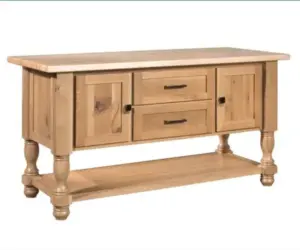
Drinks and everyday use are part of living with hardwood furniture and floors. The goal is not to keep your spaces museum perfect, but to respond to accidents in ways that protect the wood and finish for years to come.
By acting quickly, using gentle methods, and knowing when to call a professional, you can handle most spills without lasting marks. For finely crafted pieces, that care is an investment in something meant to be handed down, not just used for a few years.
If you have questions about caring for a specific type of finish or piece, Amish Oak can provide product-specific guidance that keeps both beauty and durability in mind.