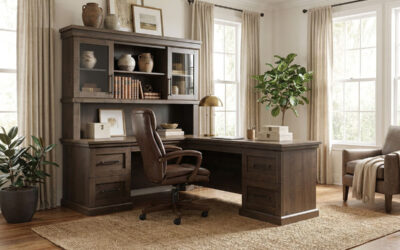
Bringing home a new piece of solid wood furniture is exciting, but that first month is where most people accidentally cause problems they’ll regret later.
Solid wood is a living material. It reacts to temperature, humidity, and even sunlight. How you treat it during those initial weeks determines how it looks and performs for years to come.
Here’s what you need to know about the break-in period and how to build good habits from the start.
The First 30 Days: The Curing Phase
The furniture may feel dry, but the finish is still hardening chemically. During this window, it’s softer and more prone to damage than it will be later.
1. Go easy on the weight
Avoid placing heavy objects in one spot for long periods. The pressure can leave indentations in the still-curing finish.
2. No centerpieces
This is the hardest rule to follow. Don’t leave a vase, a bowl, or a placemat in the same spot on the table for the first month. Wood is photosensitive. It darkens or lightens as it’s exposed to light, and if something is sitting in one place, the wood around it will change color while the covered area stays the same. You’ll end up with a permanent lighter “shadow.” Rotate accessories daily or just keep the surface clear.
3. Watch the heat and moisture
Use coasters and trivets every single time. The finish is still building its resistance, so a hot pizza box or a sweating glass of ice water placed directly on the wood can cause clouding (called “blushing”) much faster than on an older, fully cured table.
Acclimation: The Wood is Moving
Your furniture was built in a workshop with a specific humidity level. Now it’s in your home, where the AC is running and conditions are different. Wood absorbs and releases moisture constantly.
As it adjusts, the wood will move. You might hear small creaks or pops. This is normal.
- Drawers and doors: You might notice a drawer sticks slightly or a door doesn’t close perfectly flush. Don’t sand it down yet. Give it a few weeks to settle. It often corrects itself once the wood reaches equilibrium with your home.
- Leaves: If you have a table with leaves, store them in the same room as the table so they acclimate to the same conditions. This way, they’ll still fit perfectly when you need them.
Lifetime Care: The “Do Not” List
Once that first month passes, your furniture is tough and ready for daily life. But certain habits will wear it down over time.
- Don’t use silicone. Avoid aerosol dusting sprays like Pledge. Silicone creates a slick barrier that prevents the wood from being refinished later. Restorers hate it.
- Don’t place furniture over vents. Keep solid wood away from heat registers or AC vents. The constant blast of hot or cold air dries out the wood unevenly, which leads to cracks and split joints.
- Don’t use nail polish remover. Keep acetone far away. It dissolves the finish on contact.
- Rotate your décor periodically. If a table or dresser receives constant sunlight in one area, moving things around helps prevent uneven fading.
- Limit direct sunlight. UV exposure changes wood tone over time. Curtains or UV-filtering window film can make a big difference.
- Fix minor damage early. Small scratches or water rings are much easier to deal with when they’re fresh. A light touch-up marker or a quick call to a pro can save you a full refinishing job later.
- Use protective pads under heavy items. Felt pads under electronics, vases, and lamps prevent indentation and finish wear.
- Refinish when the time comes. After many years, even the best finish shows wear. The beauty of solid wood is that it can be refinished rather than replaced.
FAQs
Do I need to polish my new solid wood furniture right away?
No. Most modern finishes don’t need immediate polishing. Adding wax or heavy polish too soon can actually create buildup. Stick to light dusting and gentle cleaning during the first month unless your retailer says otherwise.
Is slight movement in drawers normal?
Yes. Solid wood responds to humidity changes, so minor tightness or looseness during seasonal shifts is completely normal. If something feels significantly off, have a professional take a look.
How often should I apply wood polish?
A few times per year is plenty for most pieces. Over-polishing leads to residue buildup. Always use products recommended for your specific finish.
Can I place my furniture near windows?
Yes, but try to avoid prolonged direct sunlight. UV rays gradually shift the wood tone. Curtains or shades during peak hours help preserve the color.
What’s the biggest mistake new owners make?
Exposing furniture to extremes: direct heat, heavy moisture, or harsh cleaning products. Consistent, moderate care beats aggressive treatment every time.
What should I use to clean my table daily?
A soft, lint-free cloth dampened with warm water and a tiny drop of mild dish soap. Wipe with the grain, then dry immediately with a separate cloth. You don’t need expensive wood cleaners for everyday use.
Do I need to wax my Amish furniture?
Generally, no. Modern catalyzed varnishes are hard and durable on their own. Wax can actually build up over time, attracting dust and creating a cloudy film. If you want extra shine, a silicone-free polish once or twice a year works fine, but it’s not required.
Why is my cherry table getting darker?
Cherry is famous for this. It reacts to UV light and oxidation, deepening into a rich reddish-brown over the first year or so. This is natural and actually one of the reasons people love cherry wood. Keeping objects off the surface lets this darkening happen evenly.
How do I control humidity in my home?
Aim for 35% to 45% relative humidity. In Texas, air conditioning usually keeps things dry enough, but winter heating can drop humidity to levels that cause problems. A whole-house humidifier or even a portable unit during the winter months protects your wood furniture and floors from shrinking and cracking.
A strong start leads to decades of beauty
The first 30 days with your new solid wood furniture set the tone for everything that follows. Thoughtful placement, gentle cleaning, and stable conditions let the craftsmanship do what it was built to do.
At Amish Oak in Texas, we build furniture meant to be passed down. When you pair quality construction with simple, consistent care, you’re protecting more than wood and finish. You’re protecting something your family will use and love for generations.