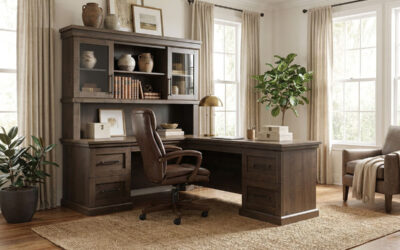
Solid wood furniture, especially handcrafted Amish pieces, is built to last for generations. The finish on top protects the wood from moisture, stains, and daily wear, but it still needs routine care. Done correctly, dusting and polishing keep surfaces smooth and rich looking. Done poorly; they can leave streaks, buildup, or even damage the finish.
This guide focuses on everyday care for finished wood furniture, such as dining tables, bedroom sets, desks, and occasional tables. The goal is to help you maintain the protective finish, so the wood beneath stays beautiful for years.
Know What Kind of Finish You Have
Before you choose a product, it helps to understand what you are working with.
Most modern Amish furniture uses a durable, catalyzed varnish or similar high-performance finish. These finishes:
- Resist water and everyday spills
- Do not need oiling
- Are designed for light cleaning and occasional polishing
Other finishes you might encounter
- Oil finishes: penetrate the wood and are more common on specialty pieces
- Wax finishes: softer, require more frequent maintenance
- Older lacquer or shellac finishes: more sensitive to water and alcohol
If you purchased your furniture from Amish Oak, ask what finish was used and if there are specific care recommendations. When in doubt, assume it has a modern protective topcoat and avoid heavy oils and waxes.
Dusting Wood Furniture the Right Way
Dust may look harmless, but it is mildly abrasive. Over time, dry dust sliding across a surface can create tiny scratches that dull the finish.
Best tools for dusting
- Soft microfiber cloths: trap dust instead of pushing it around
- Slightly damp microfiber: excellent for stubborn dust, as long as you dry afterward
- Vacuum with a soft brush attachment: good for carved details and chair spindles
What to avoid
- Feather dusters: tend to scatter dust and can catch on hardware
- Rough rags or paper towels: can scratch delicate finishes
How often to dust
- High use surfaces, such as dining tables and coffee tables: 1 to 2 times per week
- Less used pieces, such as display cabinets or bedroom chests: weekly or as needed
Dusting technique
- Work with light pressure and follow the direction of the wood grain
- Lift and shake out the cloth frequently so you are not grinding dust back into the finish
- Immediately dry any areas where you used a damp cloth
For pieces with detailed edges or molding, be sure to get into corners where dust can collect and attract moisture.
Light Cleaning Between Polishes
Sometimes dusting alone is not enough, especially on dining and kitchen pieces that see fingerprints, food residue, or drink rings.
A simple cleaning approach
- Use a soft cloth lightly dampened with clean water
- For greasy or sticky spots, add a drop of mild dish soap to a bowl of water, then wring the cloth almost dry
- Wipe the area gently and follow with a second cloth dampened with plain water to remove soap residue
- Dry immediately with a clean, soft cloth
Avoid soaking the surface or allowing water to sit. Even with a tough finish, standing moisture is never a friend to wood.
Polishing Wood Furniture Without Causing Buildup
Polishing is not something you need to do every week. In many cases, two to four times a year is enough for frequently used pieces. The purpose of polish is to refresh the appearance of the finish, not to feed the wood.
Choosing a polish
Look for:
- Products labeled as safe for varnished or sealed wood
- Non silicone, non wax formulas when possible
- Polishes recommended by your furniture maker or showroom
Avoid:
- Heavy wax pastes on modern factory finishes unless specifically recommended
- Silicone rich aerosol sprays, which can create residue that is difficult to remove and can cause problems if refinishing is ever needed
- Home remedies such as olive oil or cooking oil, which can turn sticky and attract dust
How to polish
- Dust and, if needed, lightly clean the surface first
- Test the polish in a small, inconspicuous area
- Apply a small amount of polish to a soft cloth, not directly to the furniture
- Work in the direction of the grain, using light, even strokes
- Buff with a clean, dry cloth to a soft sheen
If the surface looks smeared or greasy, you’re using too much product. Less is usually better.
The Myth of “Feeding the Wood”
Many commercial products claim to “feed” or “nourish” the wood. This is a marketing myth. Once wood is sealed with a modern finish (like the catalyzed varnish used on most Amish furniture), the wood is sealed. Oils and polishes sit on top of the finish; they do not penetrate into the wood.
Dealing With Common Surface Problems
Even with good habits, everyday life can leave marks. Some issues you can address at home, while others call for professional help.
Fingerprints and smudges
- Often come from natural skin oils on darker finishes
- Usually disappear with a slightly damp microfiber cloth followed by drying
- A light application of an appropriate polish can help in stubborn cases
Cloudy or dull areas
- May indicate old product buildup
- Try cleaning with a cloth lightly dampened with water and a small amount of mild dish soap
- If haze remains, a specialized furniture cleaner designed to remove wax and silicone buildup may be needed
- Test any new product in a hidden area first
Fine surface scratches
- Very light marks may be less noticeable after polishing
- Deeper scratches that break the finish should be evaluated by a refinishing professional
- Avoid colored scratch cover products on high quality furniture unless you accept that they may complicate later refinishing
Protecting Wood Furniture So You Dust and Polish Less
Prevention usually takes less effort than correction. A few simple habits can extend the time between deep cleaning and polishing.
- Use coasters under glasses and mugs
- Place table pads or runners on dining tables during large gatherings
- Use placemats and trivets under hot dishes
- Keep furniture out of direct sunlight, when possible, to reduce fading and drying
- Maintain stable indoor humidity to minimize wood movement and finish stress
FAQs
How often should I dust my wood furniture?
Most pieces benefit from weekly dusting. High use surfaces, such as dining tables and coffee tables, may need attention two or three times a week, especially in homes with pets or higher dust levels. Consistent light dusting is better than infrequent heavy cleaning.
Can I use everyday household cleaners on wood furniture?
It is best to avoid multi surface sprays, glass cleaners, and disinfectant wipes on fine wood furniture. Many contain alcohol, ammonia, or other chemicals that can dull or damage finishes over time. Stick to products specifically labeled for wood furniture or use mild soap and water sparingly, followed by thorough drying.
Is vinegar safe for wood furniture?
Generally, no. While vinegar is a popular natural cleaner, it’s acidic. Repeated use of undiluted vinegar can soften or etch certain finishes over time. It is safer to use a mild soap and water solution for cleaning.
Can I use olive oil and lemon juice to polish my table?
This is a common DIY recipe, but it’s not recommended for fine furniture. Olive oil is a non-drying oil. It stays wet on the surface, attracting dust, dirt, and fingerprints. Eventually, it can turn rancid and smell. Stick to products specifically formulated for wood furniture.
How do I fix a cloudy finish?
A cloudy or hazy look is usually caused by moisture trapped in the finish (from humidity or spills) or by old wax buildup. If it’s wax buildup, cleaning with mineral spirits will usually reveal the shine underneath. If it’s moisture, you may need to consult a professional or try specialized moisture-removal techniques.
Why does my furniture look streaky after dusting?
Streaks are usually caused by using too much product (polish or spray) or by using a dirty cloth. When a cloth becomes saturated with dust and polish, it simply smears the dirt around. Switch to a fresh side of the cloth frequently, or wash your microfiber cloths without fabric softener (which can also cause streaking).
What is the best cloth for dusting wood?
Soft microfiber cloths are ideal. They lift and trap dust without scratching, and they can be used dry or slightly damp. Avoid old synthetic rags that may be rough or leave lint, as well as paper towels, which can be abrasive on delicate finishes.
Keeping Your Furniture Looking Its Best
Well-made wood furniture is one of the few items in a home or office that can truly improve with age, as long as the finish is cared for properly. Regular dusting, occasional light cleaning, and thoughtful polishing help maintain the protective surface that guards against moisture, stains, and daily wear.
Amish crafted pieces reward this attention. Behind each table, chair, and cabinet is careful joinery, premium lumber, and a finish designed to highlight the natural beauty of the wood. Your maintenance routine is the final step in that process, so the piece performs and looks as intended for years.
If you’re ever uncertain about the best way to care for a particular item, check with Amish Oak in Texas. A few minutes of guidance can spare you from products or techniques that do not belong on a finely finished surface.