When renovating a home or refreshing a room, most homeowners start with the shell. They choose paint colors, pick out flooring, and install new light fixtures. Only after the room is “finished” do they start shopping for furniture.
From a design perspective, this approach is backwards. It leads to a common frustration: trying to find a sofa that matches a specific shade of blue paint, or hunting for a dining table that fits awkwardly between two pre-installed sconces. Furniture, the most important functional element of any room, ends up being an afterthought.
In a home built to last, especially one featuring handcrafted Amish furniture, it makes more sense to start with the furniture.
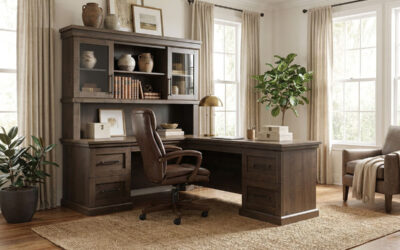
Solid wood tables, bed frames, media consoles, and bookcases are visual anchors, functional centerpieces, and long-term investments. Designing around them creates a room that feels intentional rather than assembled in stages.
Identifying the Anchor Piece
Every room has an “anchor,” the dominant piece of furniture that dictates flow and function.
- In the Dining Room: The anchor is the dining table. Its shape (round vs. rectangular) determines the layout. Its wood tone (Cherry vs. Oak) sets the color palette. If you buy a large, solid wood trestle table, your lighting needs to be centered over it, not just centered in the room.
- In the Bedroom: The bed frame is the anchor. A tall, Mission-style headboard calls for a different wall treatment than a low-profile platform bed.
- In the Living Room: The sofa or sectional anchors the seating area. Its size dictates where end tables and lamps can go.
By purchasing these items first, you establish the scale and style of the room. You can then select paint and rugs that complement the wood grain and upholstery, rather than fighting against them.
Scale and Proportion: The “Goldilocks” Factor
One of the biggest benefits of the furniture-first method is getting the scale right. It is much easier to visualize how much space a large entertainment center will take up when you have its dimensions (or the piece itself) in mind before you paint.
Many homeowners paint a room a dark color, only to realize later that their large, dark wood furniture makes the room feel like a cave. If you know you’re buying a rich, dark walnut bedroom set, you can choose a lighter, airier wall color to create contrast and balance.
On the other hand, if you have a massive open-concept living area in a Texas home, buying small, delicate furniture will make the room feel empty. Starting with substantial Amish pieces ensures the furniture holds its own against the architecture.
Wood Tones as the Color Palette Foundation
Handcrafted wood furniture introduces natural color and texture that should be the foundation of your palette, not something you work around after the fact.
- Red Undertones: Woods like Cherry and Mahogany have warm, red undertones. These pair well with cool greens, blues, and creams.
- Yellow/Gold Undertones: Natural Oak and Maple have golden hues. These work with warm greys, earth tones, and terracotta.
- Neutral/Dark: Walnut and dark stained woods act as neutrals but provide high contrast.
If you paint your walls a cool grey before buying furniture, you might find that your warm, honey-oak table looks jarring. By choosing the wood first, you can bring a sample of the finish to the paint store and make sure everything works together.
Avoiding Common Design Pitfalls
Designing around furniture first helps prevent several common issues.
Overcrowding
When accessories are chosen first, large furniture may feel squeezed in. Starting with the anchor piece ensures adequate breathing room.
Inconsistent style
A room can feel disjointed when pieces are added over time without a clear focal point. An anchor piece provides cohesion.
Trend fatigue
If you design around trend-driven items, the room may feel dated quickly. Solid wood pieces with classic lines hold up as trends change around them.
Long-Term Value of Designing Around Quality
High-quality Amish furniture is built to last for decades. When you invest in a key piece:
- You reduce the need for frequent replacements
- You create continuity even as décor evolves
- You establish a base that supports future updates
For example, you might repaint walls or replace textiles every few years, but a well-crafted dining table remains central throughout.
This approach supports both aesthetic and financial value.
FAQs
Should I buy all my furniture at once?
Not necessarily. Buy your anchor pieces first. You can fill in with accent chairs, side tables, and décor later. Adding pieces over time actually gives the room a curated, collected feel rather than a “showroom” look.
Is it okay to mix wood finishes in one room?
Yes, but it takes some care. A good rule of thumb is to have one dominant wood tone (your anchor pieces) and one secondary tone. Try to keep the undertones consistent (all warm or all cool) even if the darkness varies. A dark walnut table can look great next to a lighter oak floor if they share a similar warmth.
What if I already painted the room?
If the room is already finished, bring paint chips and fabric swatches with you when shopping for furniture. Amish furniture offers a real advantage here: customization. You can often choose from a dozen different stains for a single table, so you can find the shade that works with your existing wall color.
How does lighting affect wood furniture?
Lighting matters more than most people realize. Direct sunlight can fade wood over time, while warm incandescent bulbs can make cherry wood look very red. When designing around your furniture, plan your lighting to highlight the grain without creating glare or heat damage.
Should I match all my furniture pieces exactly?
Exact matching isn’t necessary and can sometimes feel overly formal. Coordinating wood tones and style direction is usually more effective. A dining table and buffet can share a finish, while chairs introduce texture and contrast.
What if I already own one large piece and want to redesign around it?
Start by evaluating its size, wood tone, and style. Use it as your anchor and build outward. You may need to adjust wall color, lighting, or nearby furniture to create balance.
Is it better to buy a full set at once?
Not necessarily. Many people prefer to invest in one high-quality piece first and add complementary items over time. This lets you focus on craftsmanship and budget while keeping your options open.
How do I keep solid wood furniture looking consistent over time?
Regular dusting, proper humidity control, and gentle cleaning with wood-safe products help preserve the finish and color. Avoid direct sunlight when possible to prevent uneven fading.
Can this approach work in smaller homes or apartments?
Yes. In smaller spaces, choosing one strong focal piece can prevent visual clutter. Scale is important, but even compact Amish furniture pieces can anchor a room effectively when sized right.
Building a Room That Feels Intentional
Designing with furniture first creates a foundation that supports the rest of your choices. When you begin with one or two thoughtfully selected pieces, you give the room structure, scale, and direction to start from.
Everything else becomes an enhancement rather than a distraction.
Amish furniture is built to last a lifetime. It deserves to be the focal point. At Amish Oak in Texas, we encourage customers to start with the piece they love most. Let the sturdy lines of a Morris chair or the wide surface of a harvest table guide your design choices, and you’ll end up with a home that feels grounded and intentional.